Mixing Furniture and Decor When Styles Don’t Match
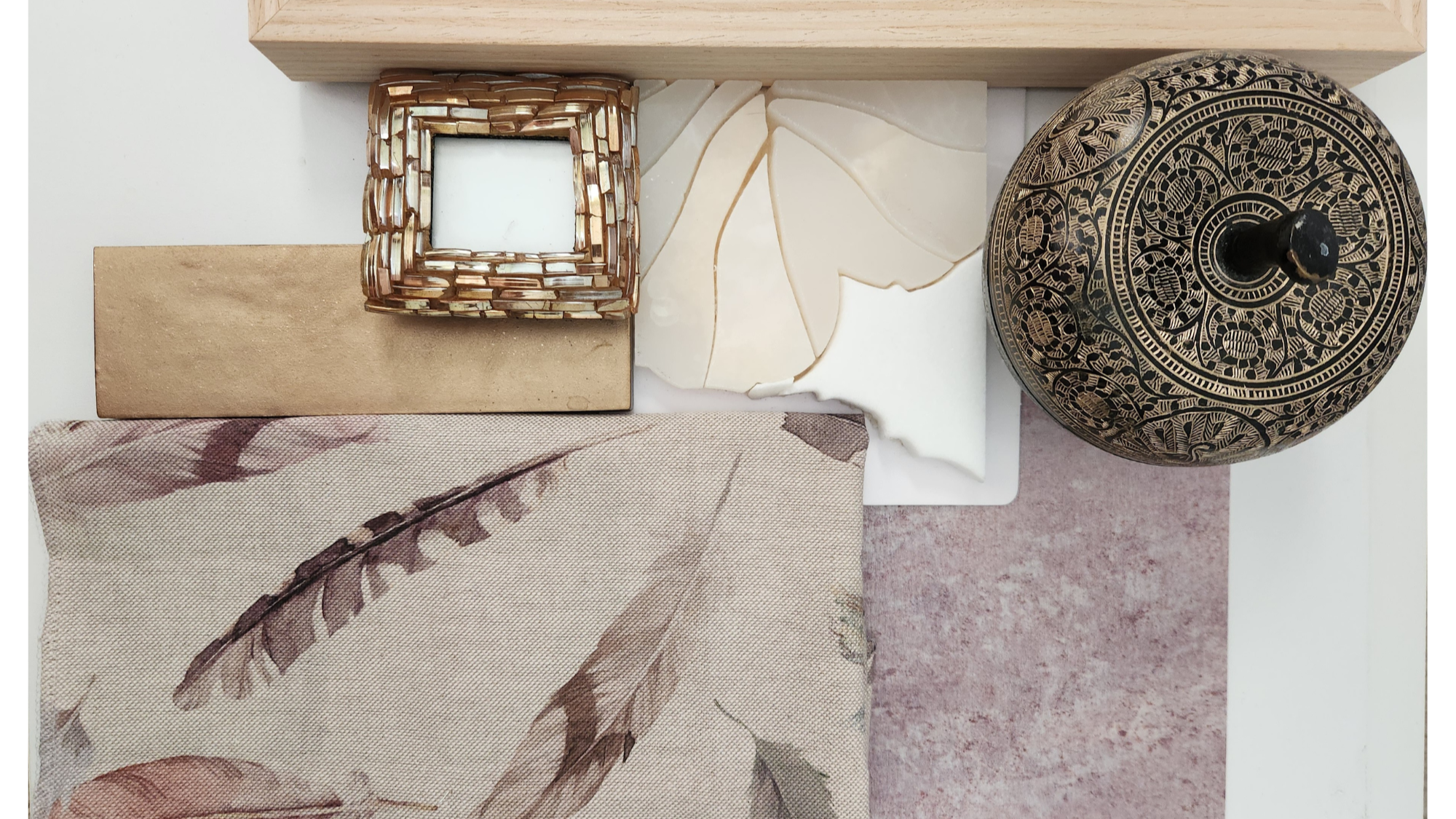
Most people don’t have one single design style. They collect what speaks to them over time — a chair that’s comfortable, a table that fits the budget, a piece they inherited, artwork from a trip, or objects they simply enjoy living with. That’s usually how “mismatched” rooms happen, and it’s completely normal.
The goal isn’t to force everything into one look later on, it’s to help those pieces relate to each other. The upside of mixing is that spaces feel more personal and layered; the downside is that without a clear anchor, they can quickly feel busy or unsettled. Matchy-matchy rooms may feel finished right away, but they often lack depth. Mixing styles, colors, and textures introduces contrast, which gives a space energy and makes it feel more personal. The challenge is making sure that contrast feels deliberate rather than random.
When I’m working with mixed furniture and decor, I focus less on rules and more on connection. Pieces don’t need to match — they just need to make sense next to each other. That connection might come from color, scale, material, or even mood.
Anchors play a big role in making this work. A rug, for example, can quietly pull together colors from very different pieces and give everything a shared foundation. Upholstery, wall color, or built-in elements can serve a similar purpose. Once there’s a clear anchor, the rest of the room has something to respond to.
A few practical guidelines I use:
Start with an anchor. A rug, sofa, or dining table sets the tone and helps mixed pieces settle.
Limit the variables. If styles vary widely, keep the color palette more restrained. If colors vary, simplify the forms.
Edit, don’t stack. Not every piece needs to be a statement.
Decor is often where people can experiment most easily. Moving things around — grouping different pieces of art together, pairing vases or objects you wouldn’t normally place side by side — can reveal connections you hadn’t noticed before. Try arranging decor by shared color, similar shapes, or a common mood rather than by style or origin. Those small shifts can make a room feel more pulled-together without buying anything new.
When mixing eras, shapes, and materials, scale and proportion matter just as much as style. A room that feels “off” is often dealing with a scale issue rather than a style issue. Repeating shapes, finishes, or textures — curves echoed in multiple places, warm woods appearing in different forms, metals that relate without matching — helps create rhythm.
It’s also important to remember that homes evolve. Furniture changes, art moves, rooms take on new uses. Some of the most comfortable spaces are the ones that have been adjusted and edited over time rather than designed all at once.
If a room starts to feel busy, I usually suggest removing something before adding more. Clarity often comes from subtraction. Mixing furniture and decor isn’t about breaking rules — it’s about giving collected pieces enough structure and balance, so the room feels calm, comfortable, and livable.
Feeling stuck on an issue like this in your own home? Let's talk it through — sometimes a quick conversation is all it takes.